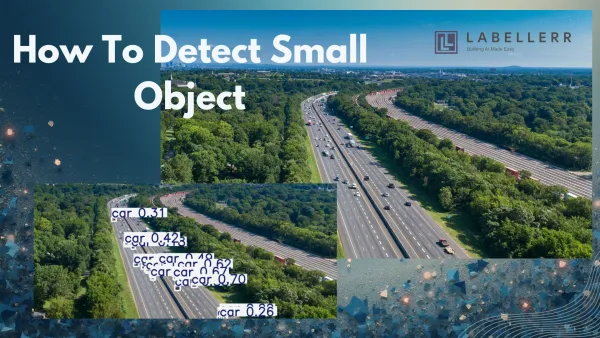
computer vision Small Object Detection using YOLO with SAHI Explained Small object detection often fails with standard YOLO inference due to image resizing. This blog shows how Slicing Aided Hyper Inference (SAHI) improves recall by breaking images into slices and recovering missed objects.
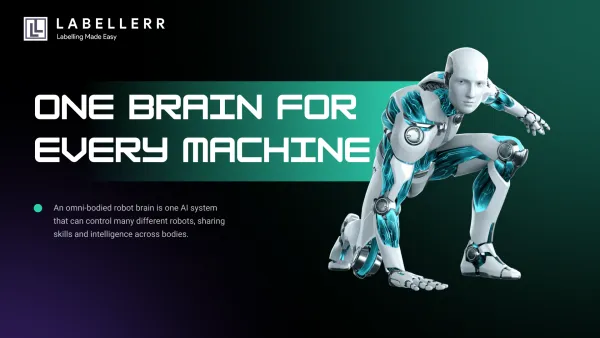
robot brain architecture Omni-Bodied Robot Brain: How One Brain Controls Many Robots Omni-bodied robot brains separate intelligence from hardware, enabling robots to share skills, adapt across bodies, and scale faster using foundation models, simulation, and shared data.
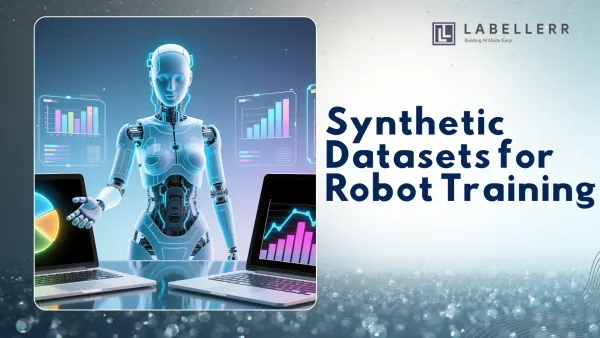
Synthetic Training Data The Truth About Synthetic Robot Data Synthetic training data enables robots to learn perception, motion, and interaction at scale. Generated in simulation, it offers low-cost labeling, safe edge-case testing, and faster development while addressing real-world data scarcity.
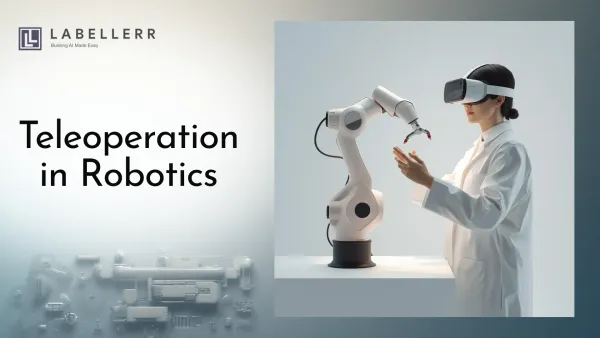
Teleoperation Datasets Teleoperation Datasets: The Fuel for Robot Learning Teleoperation datasets capture real robot behavior through human control. They provide high-quality demonstrations that help robots learn manipulation, navigation, and coordination in real-world environments.
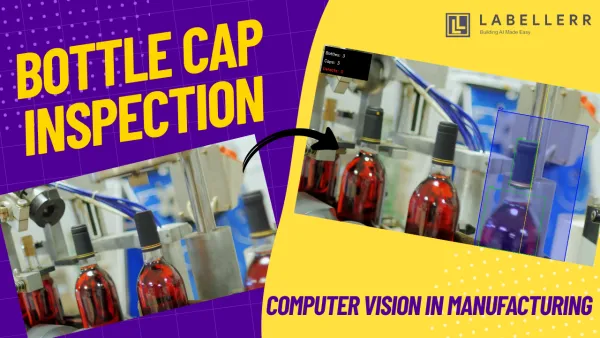
computer vision End-to-End AI-Based Bottle Cap Quality Inspection System Learn how to build an AI-powered bottle cap inspection system using computer vision. Detect missing caps in real time, reduce defects, and improve quality control on high-speed production lines.
Robotics How Egocentric Data Fixes Robot Perception Egocentric datasets train robots using first-person vision, aligning perception with action. By capturing real hand object interactions, they reduce perception action mismatch and enable more reliable robot manipulation and learning.
Robotics Why Data, Not Models, Is the Real Bottleneck in Robotics Robots learn from data, not rules. This blog explains egocentric, teleoperation, simulation, and multimodal robotics datasets, why data quality matters, and how accurate labeling enables reliable real-world robot deployment.